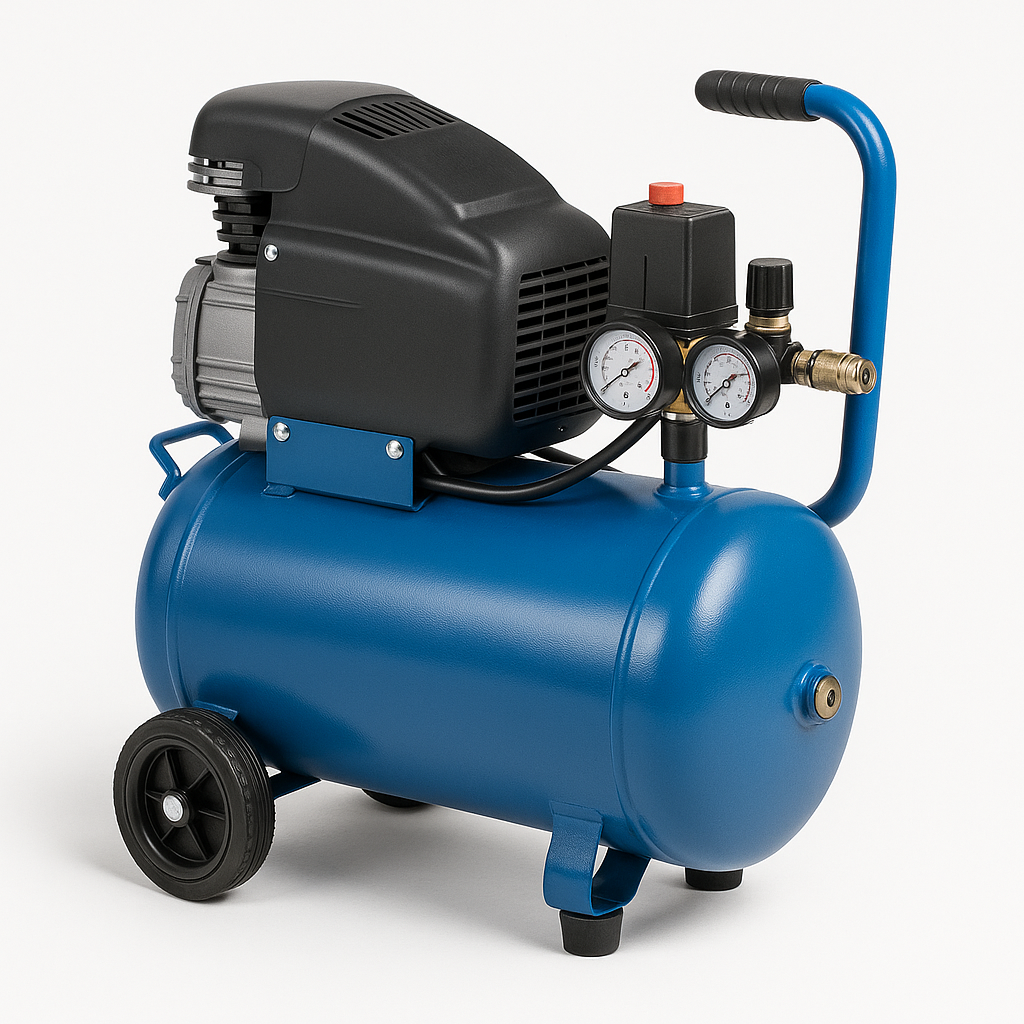
Understanding the 10 Bar Air Compressor: A Comprehensive Guide
On the planet of industrial equipment, air compressors play an indispensable function. Among the different options available, 10 bar (or around 145 psi) air compressors are particularly popular due to their versatility and efficiency throughout several applications. Akku Schlagschrauber Angebot explores what a 10 bar air compressor is, its uses, advantages, and essential considerations for acquiring one.
What is a 10 Bar Air Compressor?
A 10 bar air compressor is a type of favorable displacement compressor that creates atmospheric pressure as much as 10 bars. This level of pressure makes it ideal for a wide variety of jobs, from powering pneumatic tools to inflating tires and even serving in large-scale commercial applications.
Table 1: Basic Specifications of a 10 Bar Air Compressor
| Spec | Description |
|---|---|
| Optimum Pressure | 10 Bar (145 psi) |
| Power Source | Electric (most typical) or Gas |
| Types | Reciprocating, Rotary Screw |
| Cooling Mechanism | Air-cooled or Water-cooled |
| Applications | Industrial, Automotive, DIY |
Secret Applications of 10 Bar Air Compressors
The versatility of a 10 bar air compressor allows it to serve in numerous scenarios:
- Pneumatic Tools: Ideal for powering tools like nail guns, sanders, and impact wrenches.
- Automotive Service: Commonly utilized in garages and service stations for tire inflation and air brake systems.
- Spray Painting: Provides consistent pressure needed for spray painting jobs, making sure even finishes.
- Production: Used in assembly lines for automation, permitting effective production and product handling.
- HVAC Systems: Assists in operating or maintenance HVAC devices efficiently.
Advantages of Using a 10 Bar Air Compressor
- High Performance: They deliver considerable pressure, necessary for durable tasks.
- Adaptability: Can be utilized in different applications ranging from DIY tasks to commercial task sites.
- Effectiveness: Designed to run for prolonged periods while maintaining pressure, hence reducing downtime.
- Cost-Effectiveness: The investment in a resilient 10 bar air compressor may conserve cash in the long run due to its operational performance.
Table 2: Pros and Cons of 10 Bar Air Compressors
| Pros | Cons |
|---|---|
| High-pressure output for various tasks | Can be large and heavy |
| Energy-efficient options readily available | May need regular upkeep |
| Commonly available in the market | Initial investment can be substantial |
| Robust design for commercial use | Noise levels can be high |
Elements to Consider When Choosing a 10 Bar Air Compressor
When selecting the ideal 10 bar air compressor, a number of crucial factors must be taken into consideration:
1. Kind of Compressor
- Reciprocating Compressors: Best for smaller tasks, suitable for home usage and tasks requiring intermittent use.
- Rotary Screw Compressors: Perfect for constant task applications in larger markets or centers.
2. Tank Size
- Larger tanks keep more air, permitting for longer use without requiring to power the compressor often.
3. Power Source
- Electric designs are normally quieter and simpler to preserve, whereas gas-powered compressors offer mobility in remote locations.
4. Sound Level
- For residential or office environments, a quieter model might be required. Look for Kompressor 50l Günstig in decibels (dB).
Table 3: Key Considerations When Buying
| Consideration | Description |
|---|---|
| Planned Use | Examine whether it's for home, commercial, or commercial usage |
| Portability | Figure out if you need a stationary or portable compressor |
| Maintenance | Understand the service requirements and ease of access to parts |
| Budget plan | Set a clear spending plan that includes initial purchase and ongoing costs |
Maintenance Tips for a 10 Bar Air Compressor
To keep a 10 bar air compressor functioning effectively, correct upkeep is vital. Here are some important pointers:
- Regular Oil Checks: If your compressor is oil-lubricated, make sure the oil is tidy and at the proper level.
- Drain Condensate from Tank: Moisture can develop in the compressor tank; regularly drain it to prevent rust and contamination.
- Check Air Filters: Clean or change air filters routinely to make sure optimum airflow.
- Check Hoses and Fittings: Look for wear or damage to avoid air leaks, which can reduce performance.
- Follow Manufacturer Guidelines: Always refer to the user manual for particular upkeep requirements.
Regularly Asked Questions (FAQs)
1. What applications are most fit for a 10 bar air compressor?
The 10 bar air compressor is perfect for DIY tasks, automotive tire inflation, element assembly, and powering air tools in industrial environments.
2. How does a rotary screw compressor differ from a reciprocating compressor?
Rotary screw compressors are usually more efficient and better fit for continuous duty, while reciprocating compressors are much better for periodic usage and smaller jobs.
3. Is a 10 bar air compressor portable?
Portability varies by design. Winkelschleifer Test for smaller sized or wheeled systems for simple transport, while bigger, stationary designs offer increased capacity at the expense of mobility.
4. What is the usual life expectancy of a 10 bar air compressor?
With appropriate maintenance, a great quality 10 bar air compressor can last anywhere from 10 to 20 years.
5. What sound levels can I anticipate from a 10 bar air compressor?
Sound levels can differ extensively based on the type and model however typically range from 70 to 90 dB. Constantly refer to the specifications for specific figures.
A 10 bar air compressor represents a robust and necessary tool in various markets and applications. Its ability to deliver high pressure effectively makes it a favorite among specialists and enthusiasts alike. By understanding its functions, advantages, and upkeep requirements, one can choose the ideal 10 bar air compressor and maximize its potential to finish the job effectively and efficiently.